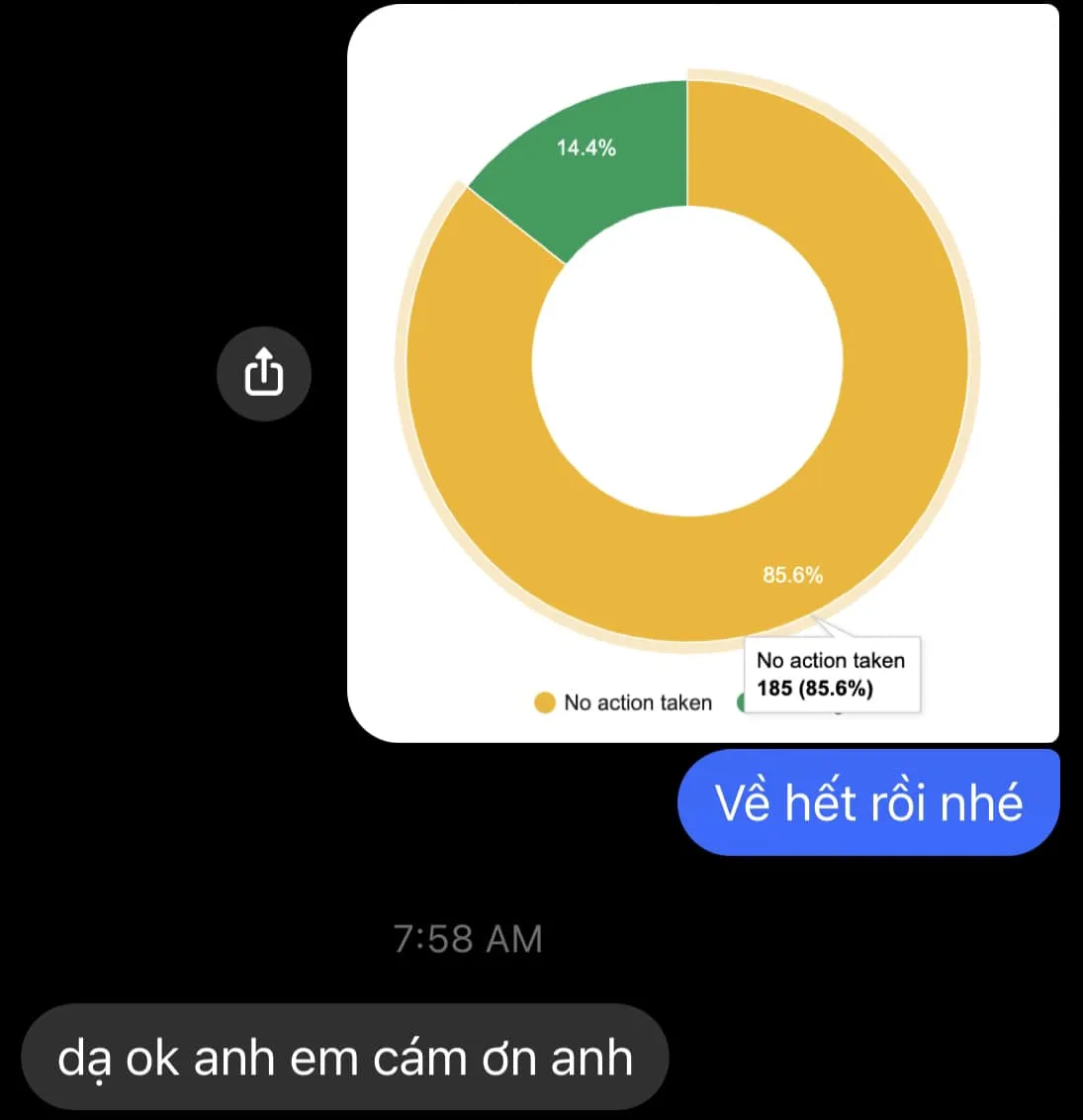
Verified chat: Client confirmed rankings and traffic recovered after Google approved the counter-notice. Real proof, not a mockup.
Index recovery in 24 hours to 3 days powered by an AI Agent–optimized counter-notice workflow. Pay after the URL is live again. 12-month warranty. 3,000+ cases · U.S. Copyright Office Designated Agent.
Also: DMCA counter notice service · DMCA recovery · DMCA counter notice guide · check DMCA · negative SEO DMCA · Designated Agent · DMCA AI
Paste URLs to check DMCA / index status and takedown signals, then decide on a DMCA counter notice or hire our DMCA counter notice service.
$0 deposit — pay only after your URL is verified live again on Google Search. Zero financial risk.
No CMS, hosting, or database access required. Your corporate infrastructure remains 100% secure.
Rigorous §512(g) counter-notice workflow optimized for swift resolution via dedicated AI Agent.
Targeted again by bad-faith takedowns within 1 year? We re-file and defend your URL at zero extra cost.



Google Transparency Report cases after approved counter-notices. Real outcomes, not mockups.
Verified chat: Client confirmed rankings and traffic recovered after Google approved the counter-notice. Real proof, not a mockup.
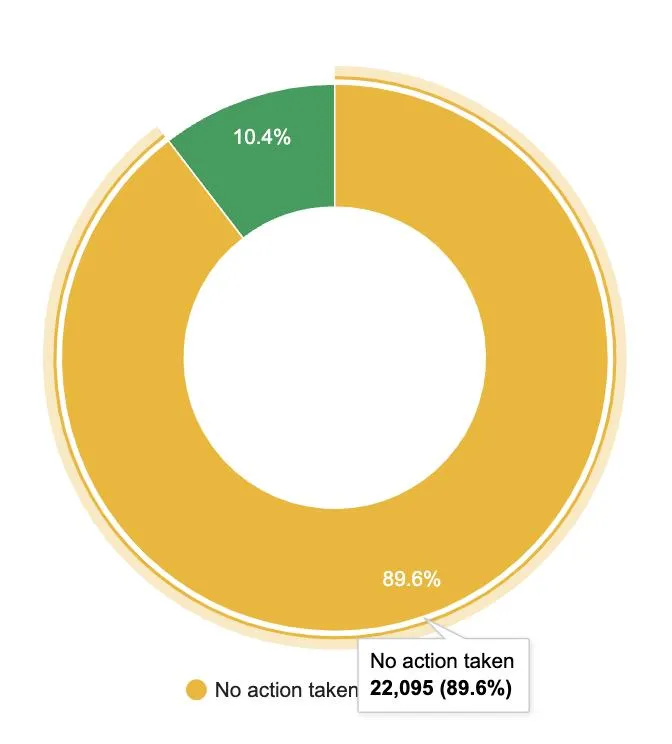
#22095: 22,095 wrongfully removed URLs. AI Agent–optimized workflow · index recovery in 24h · bulk delist recovery.
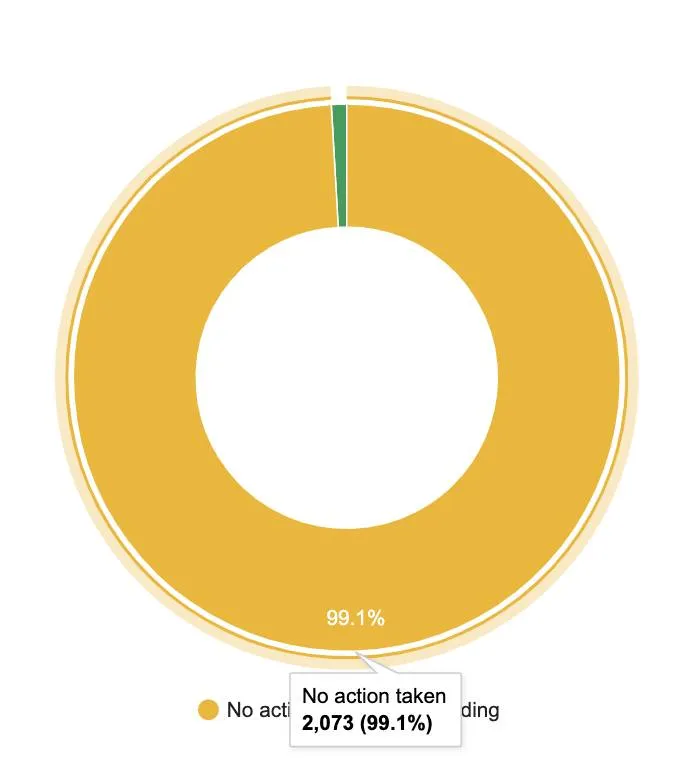
#2073: 2,073 ecommerce pages hit by fake reports. Index restored, no penalty.
Deep legal-technical comparison between Manual DIY, Traditional Law Firms, and DMCA AI Agent Workflows. Recovery rate 98.45% (excluding .ru / Russian domains, which are outside coverage).
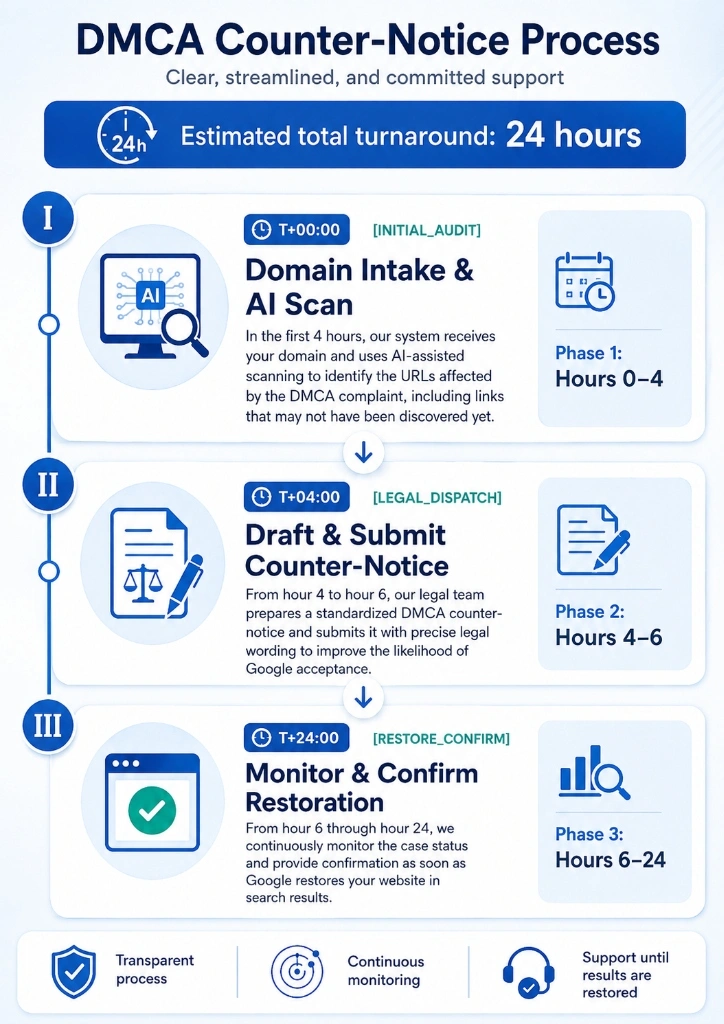
Extract Lumen Notice ID & Claimant entity to verify trademark and copyright validity.
AI Agent constructs formal legal defense (Fair Use / Original Ownership / Malicious Claim).
Formal submission under penalty of perjury with U.S. Copyright Office–registered Designated Agent credentials.
Automated GSC API monitoring until URL returns to Google Search results within 24h–3 days.
Every day a URL stays out of Google is revenue you lose. Enter your numbers to see the real figure.
No deposit needed → send every affected URL. You only pay for the ones we successfully recover.
Illustrative estimate based on your inputs. Fee $5/URL, paid after the URL is live again. DIY typically takes 10–14 business days and risks rejection if §512(g)(3) elements are defective. Excludes .ru domains.
Feedback after filing and Google review.
Trustworthy DMCA counter notice. Files drafted and submitted within 24h. Rankings recovered once Google processed it. 10/10 for DMCA AI; Mr. Khiet is highly reliable.
Woke up to find our main homepage (our breadwinner) removed by Google. Fortunately, DMCA AI prepared and filed the counter-notice within 24 hours.
The Pay After Success policy gave me confidence. They prepared a solid legal response and helped restore the site as committed after Google's review.

Founder · DMCA counter-notice specialist
The expert behind your DMCA recovery
DMCA counter-notice specialist with hands-on case work since 2023. Directly processed and restored over 3,000 websites removed from Google due to incorrect or malicious copyright reports.
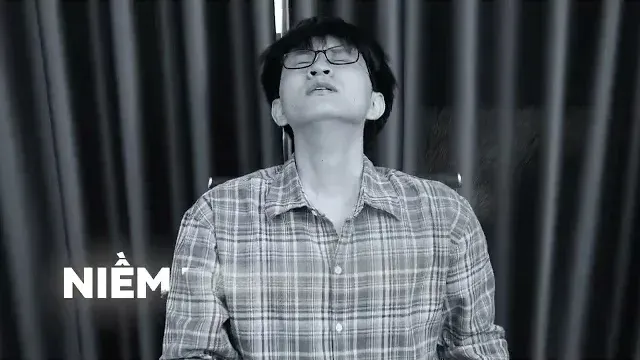
Free tutorial video
Search Console reference ID, the counter-notice form, Owner permission, a real mailing address, and a good-faith original-work statement — watch, then file. Short on time or worried about a defective form? Have the team file it (AI Agent · index recovery in 24h · pay after the URL is live again).
After the walkthrough, most people hire the service when they have many URLs, a deadline, or do not want a defective form.
Scan → AI Agent optimizes draft/file/track → index recovery in 24 hours to 3 days. You pay only after the URL is live again; 12-month warranty if the same issue returns.
Pinpoint URLs affected by DMCA, including ones you may have missed.
Filing with precise legal language.
AI Agent–optimized path toward index recovery in 24 hours to 3 days after complete materials. Filing confirmation + URL status tracking for you.
You pay after Google accepts the counter-notice and URLs return to the index. No restoration, no fee. Pick Starter, Pro, or VIP by URL volume. 12-month warranty if the same DMCA issue returns. Switch VND/USD below.
Professional service to restore inner pages, categories, or products hit by negative DMCA attacks. AI Agent–optimized workflow for index recovery in 24 hours to 3 days · 12-month warranty.
Restore a homepage delisted by fake or abusive copyright notices. AI Agent–optimized workflow for index recovery in 24 hours to 3 days. Pay after success · 12-month warranty · Highest priority.
Preventive DMCA protection for websites. Active scanning and automatic appeal handling to defend against competitor negative SEO attacks.
Full terms in the FAQ.
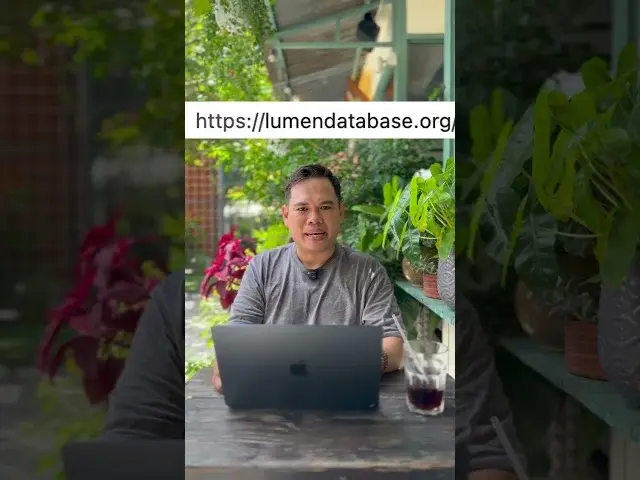
Here are 3 simple and effective ways to check: 1) Search Google using site:yourdomain.com and scroll to the bottom of the page. If you see a notice saying «In response to a complaint... some results were removed», your website is affected. 2) Check Google Search Console and associated email. If affected by DMCA, you will usually receive an email with a subject like «Notice of DMCA Removal from Google Search». 3) Search on Lumen Database. Type your domain name to view related complaints. Note: appearing on Lumen does not mean search results are deleted; only when Google acts does the site drop from search. You can also use the free Check DMCA tool on this site for a quick status scan.
The Digital Millennium Copyright Act (DMCA) is a 1998 U.S. copyright law that updated protections for the internet age. Its most-used piece is the §512 notice-and-takedown system: copyright owners can ask online service providers (hosts, platforms, search engines) to remove or disable access to material they claim infringes, and providers can keep safe-harbor protection if they act expeditiously on valid notices. The DMCA also includes anti-circumvention rules under §1201 and a counter-notice path under §512(g) when material was removed in error or in bad faith. For site owners, a Google Search delist under a copyright complaint is usually handled inside this framework.
DMCA stands for the Digital Millennium Copyright Act. It is the common short name for the 1998 U.S. federal law that updated copyright for digital networks. In everyday use, people also say “a DMCA” when they mean a DMCA takedown notice, a copyright strike, or a Google Search delist under a copyright complaint—but the acronym itself names the statute, not a private company or product.
The DMCA of 1998 is the Digital Millennium Copyright Act as enacted by the U.S. Congress in 1998 (with later amendments in practice). It added internet-era tools to U.S. copyright law: §512 notice-and-takedown and safe harbor for online service providers, a counter-notice path for disputed removals, and §1201 anti-circumvention rules against bypassing effective technological protection measures. Platforms and search engines still use this 1998 framework today when they remove or delist content after a copyright complaint. This is general legal context, not legal advice—DMCA AI is not a law firm.
Receiving a DMCA notice means a copyright owner (or their agent) asked a platform, host, or search provider to remove or delist material they claim infringes. Providers typically disable access or delist the listed URLs quickly to keep safe-harbor protection. On Google Search, that can mean the URLs stop appearing in results even if the site still loads. Consequences can also include account strikes, host warnings, or—if ignored as a repeat issue—service limits. Preserve the notice and evidence, verify the claim, and decide whether to remove, rewrite, license, or dispute. If the claim is wrong or you have a good-faith basis to restore search visibility, the formal path is a DMCA counter-notice (see our counter-notice / DMCA appeal guide).
A DMCA counter-notice (also called counter-notification or DMCA appeal) is the formal §512(g) document you send when material was removed or delisted under a DMCA takedown and you have a good-faith basis to request restoration—for example wrongful, mistaken, or bad-faith claims. It must include required contact details, identification of the material, consent to federal court jurisdiction in the appropriate district, and a signature under penalty of perjury. After a valid counter-notice, providers typically follow a statutory wait window (often about 10–14 business days for Google Search) before restoring access if the complainant does not sue. DMCA AI drafts and files counter-notices; we are not a law firm.
A DMCA complaint (DMCA takedown notice) is an official notice from a copyright owner or agent asking a provider to remove material they claim infringes their copyright. Valid notices identify the work, the allegedly infringing URLs, contact details, good-faith and perjury statements, and a signature. Some notices are legitimate; others are mistaken or filed in bad faith by competitors. A complaint is not a court judgment—but providers usually act on it quickly. Wrongful Google delists are disputed with a counter-notice, not by cloning URLs or ignoring the notice.
A DMCA report is the everyday phrase for sending a copyright infringement notice to an online platform, host, or search engine—synonymous with a DMCA takedown notice or complaint. Platforms use these reports to decide whether to remove content or delist URLs. If your site was reported and dropped from Google Search in error, the recovery path is a compliant counter-notice, not a new “report” against yourself for ranking tricks.
With DMCA AI you pay after success: payment is due after the URL is live again on Google Search. Our AI Agent–optimized workflow targets index recovery in 24 hours to 3 days—draft, file, and track the counter-notice so recovery can start as fast as possible. That is the product USP (not a 100% every-URL guarantee). A 12-month product warranty applies if the same issue returns on covered URLs. We are not a law firm.
There is typically no government or Google administrative fee to submit a compliant counter-notice yourself, so the filing step can be free of official charges. The real cost is lost traffic, drafting time, and the risk of mistakes under penalty of perjury. Law-firm or hourly help is optional and often expensive; DIY is free but error-prone. At DMCA AI, professional drafting is success-based: you pay after the URL is live again on Google Search, with a 12-month product warranty if the same issue returns. We are not a law firm.
A typical DMCA notice contains details of the copyright holder and the infringing URLs. Template: I am the copyright owner of the work described below. I have a good faith belief that the use of the material in the manner complained of is not authorized by me, my agent, or the law. The information in this notice is accurate, and under penalty of perjury, I am authorized to act on behalf of the owner. Copyrighted work: [Description of original work] Infringing URL: [URL of allegedly infringing content] Contact: [Email, phone, address] Signature: [Digital or physical signature]
Only file a takedown if you own the copyrighted work or are authorized to act for the owner, and you have a good-faith belief the use is unauthorized. Identify the original work, the exact URLs, your contact details, the required good-faith and perjury statements, and a signature, then send the notice to the service’s designated copyright agent or channel. Do not use DMCA as a weapon against competitors or lawful fair use—misrepresentation can create legal risk. This is operational guidance for rights holders, not legal advice. DMCA AI’s product focus is counter-notice recovery for wrongfully delisted Google URLs; we are not a law firm.
Under §1201 of the DMCA, circumventing technological protection measures that control access to copyrighted works (for example breaking DRM, cheating paywalls, or disabling digital locks) can be unlawful—even separately from copying the work itself. That is different from using the lawful dispute process. If your pages were removed under a bad-faith or mistaken report, the proper response is a formal counter-notice, not technical workarounds that try to evade removal. DMCA AI is not a law firm; complex compliance questions may need independent counsel.
Treat every DMCA notice as serious. Even one Google delist can erase organic traffic; repeated strikes can risk hosting, platform, or account actions under provider policies. Most day-to-day takedowns are civil process (removal, strikes, possible lawsuits for damages), not automatic criminal cases. Willful commercial infringement can escalate under U.S. copyright law. For registered works, statutory damages are often described in general ranges of about $750–$30,000 per work, and up to about $150,000 for willful infringement—illustrative ranges only, not a prediction of any case. Act quickly, document everything, and avoid false statements in any reply or counter-notice.
You can ignore it, but the practical result is usually permanent removal or continued delisting. Providers keep content down to protect their safe harbor. Hosts may also apply repeat-infringer policies. Ignoring a false claim does not restore rankings; only a valid counter-notice or other lawful resolution can reopen the path to reappearance. If the claim is malicious or mistaken, file a formal counter-notice rather than waiting for the problem to fix itself. Start with a Check DMCA / index status scan if a URL vanished from Google.
If you ignore a DMCA notice and never file a counter-notice, the removed or delisted material typically stays down indefinitely—there is no automatic restore after 30 days. Providers keep content disabled to protect safe harbor; hosts may still apply repeat-infringer policies; strikes can accumulate; and if the rights holder sues and you ignore the lawsuit, a default judgment can follow. Do not confuse that with the separate §512(g) clock: after you file a valid counter-notice, Google often waits about 10–14 business days before restoring search results if the complainant does not sue. That 10–14 window is a post-counter-notice restore wait, not a deadline that applies when you simply ignore the original notice. If you have a good-faith basis to dispute, file a counter-notice rather than waiting.
A DMCA takedown or Google delist can last indefinitely if you never dispute it or the claim stands. With a DIY path, providers often follow the §512(g) wait window after a valid counter-notice. DMCA AI is different: an AI Agent optimizes draft–file–track so many cases aim for index recovery in 24 hours to 3 days—our product USP, not a 100% guarantee for every URL. Pay after the URL is live again; 12-month warranty if the same issue returns. We are not a law firm.
Confirm the delist (site: search, Search Console notice, or a Check DMCA status scan), gather ownership or good-faith use evidence, and file a compliant counter-notice for the affected URLs. Do not try to “bypass” Google by cloning the URL or cloaking pages—that usually harms SEO. With DMCA AI, an AI Agent–optimized workflow targets index recovery in 24 hours to 3 days; you pay after the URL is live again, with a 12-month product warranty. We are not a law firm and do not guarantee 100% restoration of every URL.
In theory a rights holder can send a notice about their own work, but “DMCA yourself” as a growth or SEO tactic is rare, risky, and easy to misuse. Notices require good-faith claims of infringement and statements under penalty of perjury; fabricating infringement against your own pages is not a legitimate ranking strategy. Legitimate self-use is limited—for example removing unauthorized copies elsewhere, or correcting unauthorized reuploads of your work. For wrongfully delisted pages you own, use a counter-notice recovery path, not self-takedown games.
Yes. Major search engines, hosts, CDNs, and platforms still run notice-and-takedown and counter-notice workflows built on §512. Automated complaints and mass reporting make the process more frequent, not obsolete. If a page is delisted from Google Search under a copyright complaint, restoration still depends on a valid counter-notice or other lawful resolution—not on ranking tricks. Anti-circumvention rules under §1201 also remain central to DRM and access-control disputes. Practical recovery steps for delisted URLs are covered in our DMCA appeal / counter-notice guide.
Depending on the facts, options may include voluntary removal or rewrite, licensing or settlement with the rights holder, platform-specific appeals outside pure §512, or ordinary civil copyright litigation. For Google Search delists under copyright complaints, the standard restoration path remains a valid counter-notice. “Alternatives” that only clone URLs, cloak pages, or spam new domains usually fail and can worsen SEO risk. Choose the path that matches ownership, evidence, and risk—not shortcuts. DMCA AI focuses on counter-notice recovery; we are not a law firm.
U.S.-facing online service providers that want §512 safe harbor generally must designate an agent with the U.S. Copyright Office and publish contact details for notices. A typical content site that only publishes its own pages may not need the same setup as a host, UGC platform, or multi-tenant service. If you store third-party user content at scale, agent designation is often part of compliance planning. DMCA AI lists a Designated Agent profile for our service operations; that does not mean every site owner must register an agent, and it is not a substitute for counsel on your entity’s obligations.
Use original or properly licensed assets, keep proof of ownership and licenses, and avoid scraping or reposting third-party content without rights. Moderate user uploads if you host UGC, publish clear contact paths for complaints, and respond quickly to credible notices. A copyright disclaimer alone does not block a takedown. Watch for malicious competitor reports and verify index drops early with Check DMCA or Search Console. Prevention reduces downtime; when a wrongful delist still happens, a clean counter-notice record is the recovery path—not ignoring the notice or cloning the URL.
No. A common myth is that adding a disclaimer automatically protects your site. A copyright disclaimer has no legal force to prevent a takedown. The rights holder can still file a notice, and providers still act to keep safe harbor. If your pages were removed or delisted in error, submit a counter-notice rather than relying on disclaimer text.
Technically the DMCA is a United States federal law. In practice, many of the world’s major search engines, hosts, CDNs, and social platforms are U.S.-based or apply U.S.-style notice-and-takedown, so a copyright complaint can affect global visibility. To restore Google Search visibility after a copyright delist, you generally need a counter-notice that meets the provider’s §512-style requirements regardless of where your business is physically located. Local copyright law still matters for lawsuits and licenses in your country—DMCA AI is not a law firm and does not replace local counsel.
No responsible answer lists countries that “don’t care” about the DMCA. The DMCA is U.S. federal law, so foreign statutes are different—but major search engines, hosts, CDNs, and social platforms often still process U.S.-style copyright notices and can delist or remove content worldwide. Operating outside the United States does not reliably protect a site from Google Search delists or host actions after a valid notice. Local copyright and intermediary rules still apply where you live. For global visibility recovery after a wrongful delist, the practical path is usually a compliant counter-notice to the provider, not assuming a country is “DMCA-free.” This is not legal advice; DMCA AI is not a law firm.
Copying a website can create copyright risk when you reproduce protected expression—text, images, code, design elements, or other original content—without a license, permission, or a valid exception such as fair use (facts and general ideas are not protected the same way). Scraping or cloning another site’s pages wholesale is a common path to takedowns, platform strikes, and Google delists. “I changed a few words” or a footer disclaimer usually does not fix unauthorized copying. If your URLs were delisted after a copyright complaint and you have a good-faith basis to dispute, use a counter-notice path rather than cloning the page under a new URL. This is general information only—DMCA AI is not a law firm.
Copyright ownership does not require adult age by itself, so a minor can in principle be the author of a protected work. Filing a formal DMCA takedown or counter-notice, however, involves good-faith statements under penalty of perjury, contact details, and—on the counter-notice side—consent to federal court jurisdiction. Platforms and agents may require a parent or legal guardian to act, and contracts or account terms can restrict who may submit notices. A minor should not file false claims or ignore serious notices. This is operational context, not legal advice for any child’s case—DMCA AI is not a law firm and does not represent minors in court.
No. A DMCA notice is optional for the rights holder; it is a common tool to get platforms to remove or delist content, not a required pre-lawsuit step. Copyright owners can send a notice, sue in court, or do both. Receiving no notice does not mean you cannot be sued, and receiving a notice does not mean a lawsuit will follow. For Google Search delists, the practical recovery path is still usually a valid counter-notice if you have a good-faith basis to dispute—not waiting for court papers that may never come.
In civil litigation, if you have few assets you may be described as judgment-proof in practice, but civil judgments can last many years and may be renewed. Future assets or wages can still be at risk depending on jurisdiction. Treat notices and lawsuits seriously. Where the claim is wrongful and you have a good-faith basis, resolving a platform delist with a proper counter-notice early can reduce escalation risk. Court strategy needs qualified counsel—DMCA AI is not a law firm and does not represent you in court.
Leave domain + email for a free first look. To scan URLs yourself, use the tool at the top of the page.